Many people brush off a little pink in the sink when brushing or flossing, thinking it is just a sign they brushed too hard. However, we often see firsthand how ignoring these early warning signs can lead to devastating consequences for your smile. What begins as mild irritation can quietly progress into a severe infection that completely undermines the foundation of your teeth. Understanding the timeline of this progression is crucial because catching the warning signs early is the absolute best way to save your natural teeth.
The reality is that gum disease is the leading cause of tooth loss among adults, yet it is almost entirely preventable. The condition develops gradually, often without any pain in the early stages, which gives people a false sense of security. By the time noticeable discomfort or shifting occurs, the underlying damage to the soft tissues and bone may already be extensive. We want to walk you through exactly how this bacterial infection evolves from a simple buildup of plaque into a severe condition that ultimately causes teeth to detach and fall out.
The Silent Start: How Plaque Transforms into Gingivitis
The journey toward tooth loss begins long before any structural damage occurs, starting with the daily accumulation of a sticky, colorless film called plaque. Whenever you eat or drink, bacteria in your mouth feed on the leftover sugars and starches, rapidly multiplying to form this plaque layer over your enamel and along the gumline. If you do not remove this film through consistent brushing and flossing, it begins to irritate the sensitive soft tissues of your mouth. Within just a few days, undisturbed plaque hardens into a tough substance known as tartar, or calculus, which you cannot brush away at home. This rough tartar acts as a magnet for even more bacteria, creating a continuous cycle of irritation and infection.
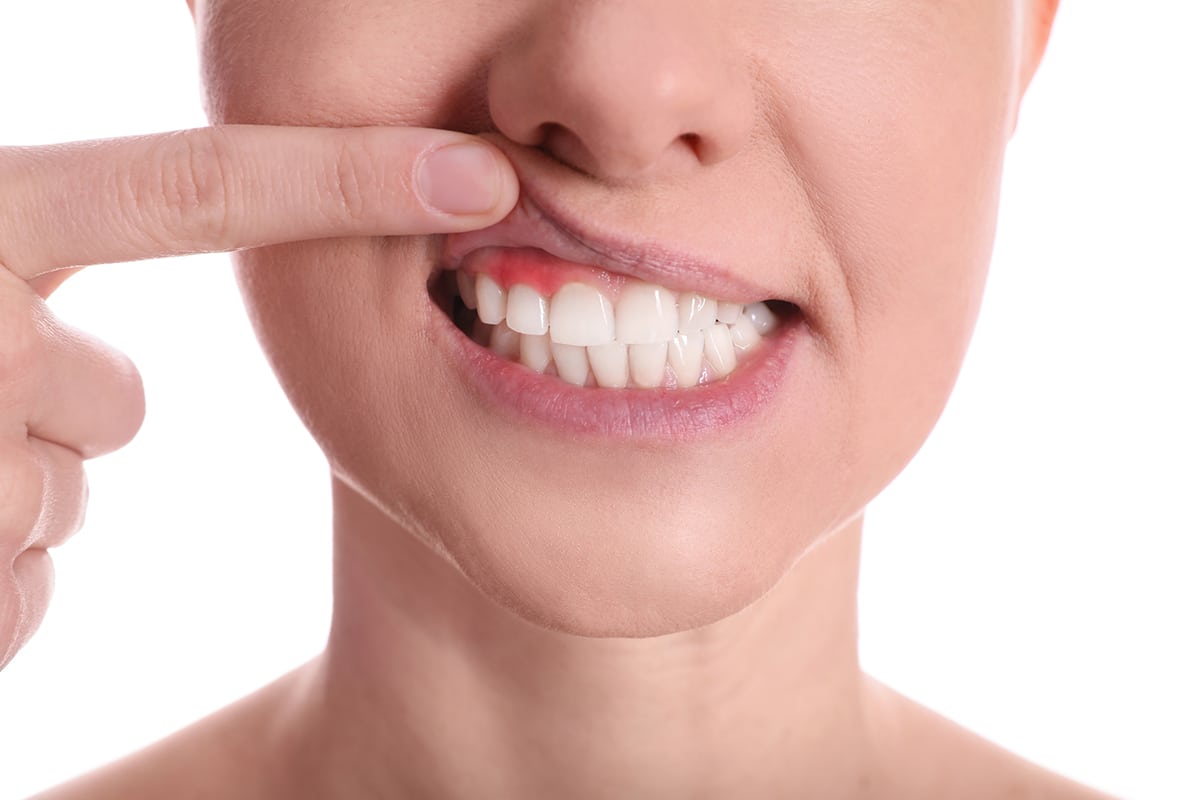
This initial stage of the condition is known as gingivitis. During this phase, you might notice that your gums look red and swollen, and they may bleed easily when you clean between your teeth. At this point, the infection remains entirely on the surface, meaning the bone and connective tissues holding your teeth in place are still fully intact. We always tell our patients that gingivitis is the warning bell. Because no permanent damage has occurred yet, a professional dental cleaning and a dedicated at-home oral hygiene routine can completely reverse the condition, stopping the threat of tooth loss dead in its tracks.
Moving Beneath the Surface: Pocket Formation and Advanced Periodontitis
When gingivitis goes untreated, the bacterial infection advances deeper into the tissues around the teeth, crossing a critical threshold into periodontitis. At this stage, the bacteria and the hardened tartar extend below the gumline. As the bacteria metabolize food particles, they release toxic byproducts that directly attack the delicate connective tissues holding your gums tightly against your teeth. In response to this bacterial invasion, your body triggers a powerful immune response, sending specialized cells to fight the infection. Unfortunately, this chronic inflammatory response ends up causing just as much damage as the bacteria themselves, as the enzymes meant to fight the infection begin breaking down your own healthy tissue.
As the tissue breaks down, the gums physically pull away from the sides of the teeth, creating deep spaces known as periodontal pockets. These pockets become the perfect dark, low-oxygen environment for the most aggressive types of oral bacteria to thrive and multiply. At this point, standard brushing and flossing cannot reach deep enough to clean out these infected pockets. The bacteria continue to fester, calcifying into deep deposits of tartar that cling tightly to the roots of your teeth. We often need to perform specialized deep cleaning treatments, like scaling and root planing, just to clear out this hidden debris and give the gums a chance to reattach. Without this professional intervention, the downward spiral accelerates rapidly toward the bone.
The Final Breakdown: Bone Degradation and the Loss of Natural Teeth
The final and most destructive phase of this condition occurs when the infection and chronic inflammation reach the alveolar bone—the specialized bone ridge that houses and supports your tooth roots. As the periodontal pockets deepen, the relentless immune response and bacterial toxins begin to dissolve this vital bone structure. Unlike the soft tissues of your gums, which can sometimes heal and reattach with treatment, bone loss in the jaw is generally permanent without advanced surgical interventions like bone grafting. As the bone melts away, the teeth lose their foundational support.
You will likely begin to experience severe and noticeable symptoms during this advanced stage. Your teeth may start to feel loose or wobbly when you chew, or you might notice them shifting out of their normal alignment, creating new gaps in your smile. Chewing can become painful, and persistent bad breath or a foul taste in the mouth becomes a daily struggle. Eventually, the bone degradation becomes so severe that the teeth simply have no structural support left to hold them in the jaw. At this point, the teeth may fall out on their own, or we may have to extract them to clear out the massive infection and prevent it from spreading to other areas of your mouth.
Taking Action to Protect Your Smile
Protecting your natural teeth requires proactive care and a commitment to addressing oral health issues the moment they arise. We cannot stress enough how important it is to treat bleeding, swollen, or tender gums with a sense of urgency, rather than brushing them off as a normal part of daily life. By maintaining excellent daily hygiene, attending regular professional cleanings, and seeking prompt periodontal care at the first sign of trouble, you can break the cycle of infection before it ever reaches your bone. Preserving your smile is a lifelong commitment, and catching these issues in their earliest stages is the definitive key to keeping your teeth firmly rooted where they belong.
Frequently Asked Questions About Periodontics
Can tooth loss caused by advanced periodontitis be reversed?
Once a tooth has fallen out or been extracted due to severe bone loss, it cannot naturally regrow. However, we can successfully rebuild your smile using advanced restorative treatments like dental implants. Before placing an implant, we often perform bone grafting procedures to replace the degraded bone and ensure there is a solid, healthy foundation to support the new artificial tooth.
How often should I visit a periodontist if I have a history of gum issues?
If you have been diagnosed with periodontitis, standard twice-a-year dental visits are usually not enough to keep the bacterial growth under control. We typically recommend periodontal maintenance cleanings every three to four months. This specific schedule allows us to clean deep within the periodontal pockets, monitor your bone levels, and disrupt the bacteria before they have the chance to cause further damage to your gums and underlying bone.
We are Periodontal Associates, a dedicated team of specialists passionate about helping our patients restore their oral health and preserve their natural smiles. We provide comprehensive, cutting-edge periodontal care to treat everything from early gingivitis to advanced bone loss, ensuring you can eat, speak, and smile with absolute confidence. If you are experiencing warning signs like bleeding gums or loose teeth, do not wait—schedule an appointment with our expert team today.